

Last Updated: November 8, 2026
Quick Summary
A natural hand and foot balm for mature skin works by sealing in moisture rather than adding water, since aging hands and feet have fewer oil glands and a weaker barrier. Look for a butter-heavy formula with shea or cocoa butter, one lightweight oil like jojoba, a small amount of wax, and little or no fragrance. Apply hand balm after every wash and foot balm at night under socks.
- Mature skin needs a seal that keeps water in, not more water.
- A homemade balm takes about 30 minutes, four ingredients, and roughly $8 per 2-ounce batch.
- Apply a pea-sized amount of hand balm after every wash while skin is damp.
- Apply about a teaspoon per foot at night, then cover with cotton socks.
- Patch-test any new balm on your inner wrist for 24 hours first.
Table of Contents
- Why Mature Hands and Feet Need a Balm, Not Just Lotion
- The Best Natural Hand and Foot Balm for Mature Skin Starts With Ingredients
- What Natural Hand and Foot Balm for Mature Skin Reviews Should Tell You
- How to Make a Homemade Hand and Foot Balm for Mature Skin
- The Best Hand Cream for Dry Aging Skin Is Often a Balm in Disguise
- How to Apply Balm to Hands and Feet Differently
- Safety, Allergies, and When to See a Professional
- Choosing Your Balm and Building a Daily Ritual
- Frequently Asked Questions
Why Mature Hands and Feet Need a Balm, Not Just Lotion
Your hands and feet show age before your face does. They have fewer oil glands, thinner skin, and years of sun and friction behind them.
Lotion absorbs fast and feels nice for a while, but dryness can return quickly. Balm tends to stay put longer.
Here is the core idea behind this guide: mature skin does not need more water. It needs a seal that keeps water in.
What Changes in Skin After 40
Oil production drops. Skin gets thinner. The barrier that holds moisture weakens.
The result is dry skin that cracks, rough knuckles and heels, and slow healing. Hands suffer most because they face water, soap, and sun all day.
If you want a wider view of how natural routines shift with age, our roundup of the best natural skincare for age 40 plus pairs well with this guide.
Balm vs. Cream vs. Lotion for Aging Skin
Lotion is mostly water. Cream adds more oil. Balm is mostly butter and wax, with little or no water at all.
For aging hands and feet, that difference matters:
- Lotion: light, fast, needs frequent reapplication
- Cream: richer, good for daytime
- Balm: thickest seal, best for night and deep repair
For dry heels and rough knuckles, balm wins. For a quick refresh after washing hands, lotion is fine.
The Best Natural Hand and Foot Balm for Mature Skin Starts With Ingredients
A good balm starts with butters and oils that mimic what aging skin has lost. But "natural" on a label tells you almost nothing about performance. The useful question is what each ingredient does in the formula.
Mature skin on hands and feet is thinner, less elastic, and lower in oil production, so the barrier that holds water in is weaker and more reactive to fragrance and harsh surfactants.
Plant Butters and Oils That Support Aging Skin
Look for these names on the label, and understand their general role in a formula:
- Shea butter and cocoa butter: rich occlusives that slow water loss and soften rough knuckles and heels; apply to damp skin.
- Jojoba oil and meadowfoam oil: lightweight oils that absorb without a heavy grease film; jojoba resembles skin sebum, suiting mature skin that has lost oil.
- Coconut oil: effective at sealing, but comedogenic for some and potentially irritating to very sensitive skin; use as a supporting oil, not the whole base.
- Tamanu oil and calendula: plant oils with a soothing, calming feel on the skin.
- Vitamin E: included in the formula to help keep the oil phase fresh.
Formulas that work well on mature skin tend to use a butter-heavy base with one lightweight oil, a small amount of wax, and no fragrance or a very low level. Don't judge by unpronounceable fillers alone; some synthetics, such as dimethicone, are well-tolerated, effective occlusives.
What the Research Does and Does Not Show
Here is the honest answer: the research on natural balms for mature skin is thin, and most claims on labels outrun the evidence.
A study of an anti-aging hand cream tested a formula with retinol and other actives over a long trial. Another study on a cosmetic preparation with sheep colostrum looked at aging skin in mature women, but its findings do not transfer to plant-based balms either.
A balm works mainly by sealing in moisture rather than adding water, which is why ingredient choice and consistent use matter more than bold promises.
Judge a balm by its ingredients and how your skin responds over time, not by marketing claims.
Watch out: essential oils and nut oils are common allergens, and "natural" does not mean hypoallergenic.
What Natural Hand and Foot Balm for Mature Skin Reviews Should Tell You
Most reviews tell you how a product smells. Useful reviews tell you how it performs on rough skin over weeks, not days.
When you read natural hand and foot balm for mature skin reviews, look for specifics. "My heels stopped cracking after two weeks" is useful. "Love it!" is not.
Red Flags in Reviews and Label Claims
Watch out for these signals:
- "Chemical-free" or "toxin-free" with no ingredient list
- Reviews that all sound identical
- Claims of curing eczema or healing cracked skin
- Vague phrases like "clinically proven" with no source
If a label says "natural" but lists synthetic fragrance first, it is marketing. Our guide on how to identify greenwashing in organic skincare walks through the labels that matter.
How to Make a Homemade Hand and Foot Balm for Mature Skin
A homemade hand and foot balm takes about 30 minutes and four ingredients, and you control what goes in.
Here is a simple starting point:
- 2 tablespoons shea butter
- 1 tablespoon coconut oil
- 1 tablespoon jojoba oil
- 1 teaspoon candelilla wax or beeswax
- 5 drops lavender essential oil (optional)
Melt the butters and wax in a double boiler. Stir in the oils. Add essential oil off the heat. Pour into a small tin and let it set.
Simple Recipe and Cost Breakdown
A batch makes roughly 2 ounces. Here is what it costs at typical US grocery and health store prices:
| Ingredient | Amount | Approx. Cost |
|---|---|---|
| Shea butter | 2 tbsp | $2 |
| Coconut oil | 1 tbsp | $1 |
| Jojoba oil | 1 tbsp | $3 |
| Candelilla wax | 1 tsp | $1 |
| Essential oil | 5 drops | $1 |
| Total per batch | ~2 oz | ~$8 |
Approx. Cost
That works out to about $4 per ounce. A store-bought balm often costs more, but it saves you the mess and guesswork.
Storage, Shelf Life, and Recipe Adjustments
Store your balm in a cool, dark place. It should keep for several months, but watch for any change in smell or texture and discard it if either shifts.
Adjust as needed:
- Too hard? Add more jojoba oil.
- Too soft? Add more wax.
- Want more slip? Swap in mango butter.
Label the tin with the date you made it.
The Best Hand Cream for Dry Aging Skin Is Often a Balm in Disguise
Many products sold as "hand cream" are really balms with a lighter name. If the first ingredients are butters and oils rather than water, you are holding a balm.
That is good news. The best hand cream for dry aging skin usually has the same core ingredients as a balm: shea, jojoba, vitamin E, and a wax to seal it all in.
Read the ingredient list, not the product name. Water first means lotion. Butter first means balm.
How to Apply Balm to Hands and Feet Differently
Hands and feet need different routines. Palms and soles have the thickest stratum corneum on the body, while the backs of the hands and tops of the feet are thin and age faster.
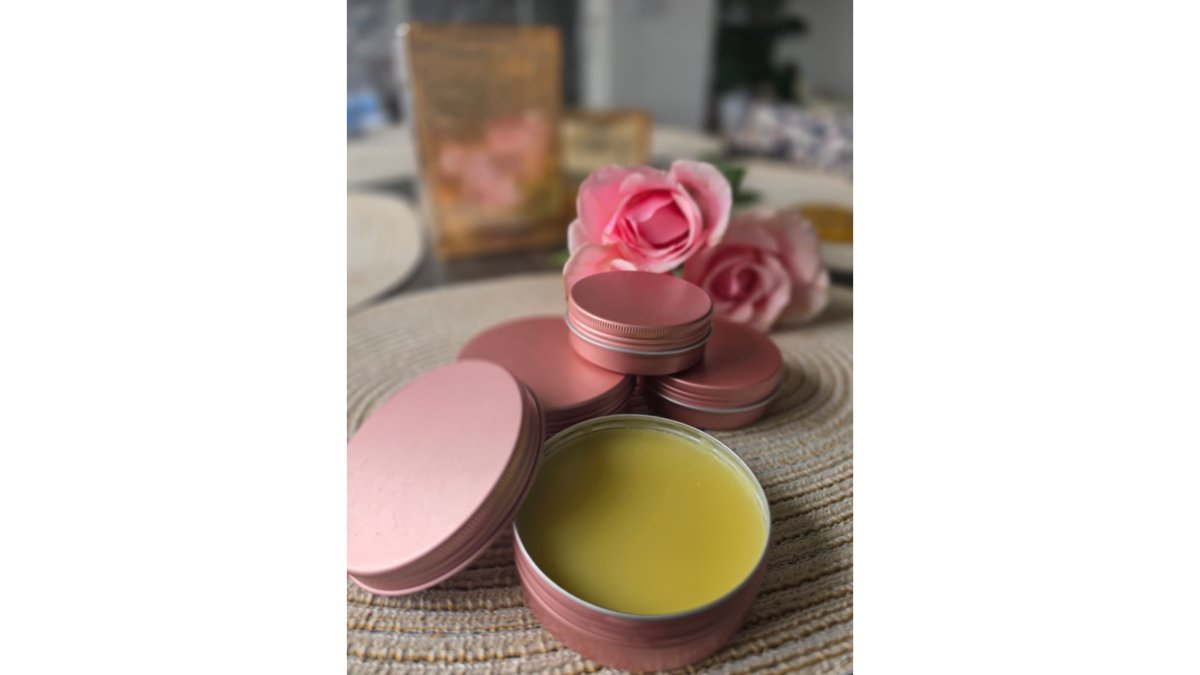
Apply hand balm after every wash, while skin is still slightly damp. Apply foot balm at night, then cover with socks to lock in moisture. The sections below give amounts and timing for each.

Hand Application for Aging Skin
Warm a pea-sized amount, about the size of a small almond, between your palms.
Massage it into knuckles, cuticles, the backs of your hands, and the webbing between fingers.
Timing matters more than technique. Apply after every hand wash, after washing dishes, and before bed.
Watch out: balm on the palms makes hands slippery on door handles, steering wheels, and phones.
Foot Application for Dry Heels and Calluses
Start with a warm water soak for five to ten minutes and light exfoliation with Epsom salt or a pumice stone. Pat dry completely; balm on wet feet can trap water and soften skin too much, making friction worse.
Apply a thick layer, roughly a teaspoon per foot, to dry heels, the sides of the feet, and calluses. Pull on cotton socks and leave them on overnight.
For daytime, use a thinner layer and give it five minutes to absorb before putting on shoes. A heavy layer inside closed shoes can make feet slide, which is a falls risk for older adults.
Overnight and Daytime Routines That Fit Real Life
A workable pattern: balm on hands after each wash, a thicker layer on feet at night with socks, and a lighter layer in the morning if heels feel rough. Keep a tin by the sink and one by the bed so the routine does not depend on remembering to fetch it.
If skin stings when you apply balm, stop and patch-test again. Stinging can mean the skin barrier is compromised or that a fragrance ingredient is irritating thin skin.
Safety, Allergies, and When to See a Professional
Natural does not mean allergy-free. Essential oils, nut oils, and botanicals can all trigger reactions.
Always do a patch test first. Apply a small amount to your inner wrist and wait 24 hours.
If you have sensitive skin, our article on why to avoid synthetic fragrance in skincare explains what to check before you buy.
See a doctor or dermatologist if you notice:
- Deep cracks that bleed
- Signs of infection, such as redness, heat, or pus
- Pain that does not improve
- Skin changes that spread or worsen
Balm helps dry skin. It does not treat medical conditions.
Choosing Your Balm and Building a Daily Ritual
The right natural hand and foot balm for mature skin is one you will actually use every day.
Our Hand & Foot Balm is built for exactly this.
If you want to see how it fits with the rest of our line, browse the full hands and feet range before you decide.
Build a ritual: balm on hands after each wash, balm on feet before bed, socks on, lights low.
Your hands and feet carry you through every day, and they deserve more than a quick swipe of lotion.
Frequently Asked Questions
What ingredients should I look for in a natural balm for mature skin?
Look for plant butters like shea and mango butter, which melt into skin and restore softness. Oils such as jojoba, meadowfoam, and tamanu support the skin's natural repair process, while candelilla wax forms a protective seal that holds moisture in. Vitamin E helps preserve the formula and shield skin from daily damage. Calendula-infused oils calm irritation. Avoid heavy fragrance if your skin is sensitive, and always patch test a small area before regular use.
Can I use the same balm on my hands and feet?
Yes, a well-formulated hand and foot balm works on both, but application should differ. Hands need a small amount massaged into knuckles and the backs of hands, especially after washing. Feet benefit from a thicker layer on heels and calluses, applied after a warm water soak and patting dry. For dry heels, apply at night and cover with cotton socks.
Is balm or cream better for very dry hands and feet?
Balm is a thicker, butter-and-wax based option that many people prefer for dry hands and feet. Creams absorb faster but often need reapplying. For mature skin that loses moisture more quickly, a balm applied morning and night, plus after hand washing, keeps rough areas softer. A cream can still work for daytime use when you want a lighter feel.
How often should I apply hand and foot balm?
Apply at least twice daily, morning and night, and after every hand wash if your hands are dry. For feet, nightly application after a warm water soak gives the best results for cracked heels. During winter or if you work with your hands, add a mid-day application.


